Should You Renovate Before Selling Your Northern Virginia Home? What’s Worth It—and What Isn’t
If you are thinking about selling your home in DC or Northern Virginia, one of the biggest questions is often: Should I renovate first?
The answer is rarely as simple as “yes” or “no.”
Some improvements can help a home show better, attract more buyers, reduce objections, and support a stronger sale price. Others can cost far more than buyers are willing to pay for—especially if the work is highly customized, too expensive for the neighborhood, or completed in a rush right before listing.
The goal is not to turn every home into a fully renovated model home. The goal is to understand where your home sits in its market, what buyers are comparing it to, and which improvements will make the biggest difference.
Thinking about selling in the next six to twelve months? Start with a current estimate of your home’s value and see how your property compares in today’s market: Get Your Home Value Report.
Why Renovations Matter More in Today’s Market
Buyers are still actively purchasing homes across DC and Northern Virginia, but they are more thoughtful than they were during the frenzy of a few years ago.
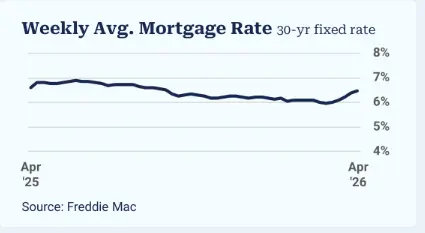
Higher mortgage rates have increased monthly payments, and buyers are more likely to notice the potential cost of repairs, outdated finishes, and major future projects. When a buyer is already stretching to afford the payment, the idea of immediately spending another $30,000, $50,000, or more on a kitchen or bathroom renovation can become a major concern.
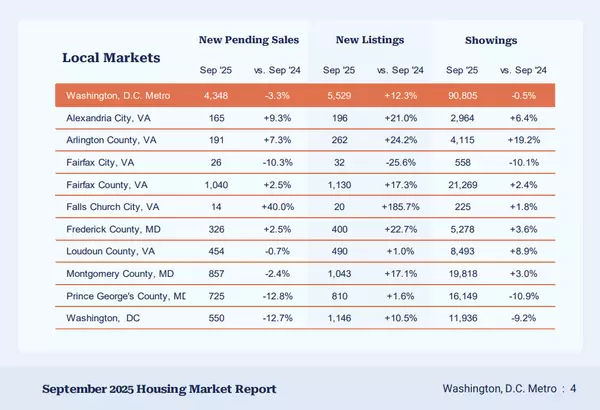
At the same time, buyers have more choices in certain parts of the market. In Northern Virginia, active listings increased 19.6% year over year in July 2026. That increase was concentrated in condos and attached homes: condo inventory rose 41.1%, attached-home inventory rose 33.0%, while detached-home inventory declined 2.5%.nvar
That does not mean every seller needs to renovate. It does mean buyers are comparing more options in some categories, and condition can play a larger role in which home they choose.
Not sure whether your home needs work before listing? A home-value review can help identify your likely price range, your active competition, and whether buyers in your segment expect an updated kitchen, bathroom, or a more straightforward “as-is” opportunity: Request Your Home Value Report.
What Cost-vs.-Value Reports Actually Tell Us
The source many homeowners recognize is Zonda’s Cost vs. Value Report, formerly associated with Remodeling magazine and the Journal of Light Construction. The report compares the typical cost of common remodeling projects against the estimated resale value those projects add.zondahome
It is a helpful guide, but it should not be treated as a final answer for every home.
These reports answer a narrow question: How much of a project’s cost may be reflected in a home’s resale value? They do not fully measure a renovation’s effect on buyer emotion, listing photos, speed of sale, inspection negotiations, buyer confidence, or the value of enjoying the project while you still live in the home.
The biggest lesson from the 2025 report is that practical, visible exterior improvements generally deliver stronger measured returns than major luxury interior renovations. Eight of the ten highest-return projects were exterior replacements.zondahome+1
Projects With the Strongest Measured Return
National averages from Zonda’s 2025 Cost vs. Value Report. Actual returns in DC and Northern Virginia vary based on location, property type, buyer demand, condition, competition, project quality, and timing. zondahome
The table does not mean every seller should replace a garage door, add stone veneer, or install a generator. It does show that buyers often respond strongly to curb appeal, visible maintenance, and improvements that make a home feel cared for before they even walk through the door.
The Kitchen-and-Bathroom Caveat
A cost-versus-value report is important, but it does not tell the entire story.
In my experience, buyers pay close attention to kitchens and bathrooms—and the data supports that. Buyers often place a premium on homes that feel move-in ready because they do not want to inherit a major, expensive project immediately after closing. HomeLight’s agent survey found that 76% of agents identified move-in-ready condition as a leading selling point for buyers.homelight
A renovated kitchen or bathroom may not return every dollar spent through a simple appraisal calculation. However, it can still add meaningful value by:
-
Helping a home photograph better and receive more showing interest.
-
Reducing the buyer’s mental calculation of immediate post-closing costs.
-
Increasing buyer confidence that the home has been well maintained.
-
Making it easier for a buyer to justify a stronger offer.
-
Helping a property compete against updated homes nearby.
-
Reducing the likelihood that a dated interior becomes the reason a buyer chooses another home.
A midrange bathroom remodel is estimated to recoup about 80% of its cost nationally. Upscale bathroom renovations return significantly less, at roughly 42% to 50%. A minor kitchen remodel performed much better than a major upscale kitchen remodel in the Cost vs. Value data, with an estimated 112.9% return nationally.zondahome+3
The important distinction is between updated and overbuilt.
A clean, functional, neutral, well-designed kitchen or bathroom can create real buyer appeal. But a highly customized, luxury renovation may cost more than the market will return—particularly if nearby comparable homes do not support the price.
Want to know whether an updated kitchen or bathroom would actually change your likely sale price? Get a local estimate first, then compare your home with the listings and recent sales buyers will use as their reference point: See Your Current Home Value.
Renovate for Your Life, Not Just the Sale
There is another benefit that a resale percentage cannot fully capture: you get to enjoy the renovation.
If you already know that your kitchen does not work for your family, a bathroom needs meaningful updating, or a layout is creating everyday frustration, waiting until the month before you sell may not be the best plan.
A renovation completed a few years before a sale gives you time to benefit from the improved space, storage, finishes, and functionality. It also lets you complete the work on a reasonable timeline instead of making rushed pre-listing decisions under pressure.
NAR’s 2025 Remodeling Impact Report measures homeowner satisfaction using “Joy Scores.” Kitchen upgrades were among the projects that received a perfect 10 out of 10 score, reinforcing what many homeowners already know: a renovation can be valuable because it improves daily life, not only because of what it may bring at resale.store+1
If you plan to stay for several years, a well-planned kitchen or bathroom renovation can make sense when you:
-
Improve function instead of following every short-term design trend.
-
Use durable, timeless, broadly appealing finishes.
-
Keep the project appropriate for your neighborhood and the home’s long-term value.
-
Save permits, receipts, warranties, contractor information, and before-and-after photos.
-
Understand that a good renovation can support resale later without expecting a guaranteed dollar-for-dollar return.
The Right Renovation Depends on the Home
A $350,000 condo, an $800,000 townhome, a $1 million detached home, and a $2.5 million-plus luxury property all attract different buyers with different expectations.
The best renovation strategy is to match the home to its direct competition—not to use the same improvement plan for every property.
At lower and middle price points, buyers often have less cash available after down payment and closing costs. They may be able to live with a smaller kitchen or an older layout, but they strongly value a home that is clean, functional, and does not require a major renovation immediately after closing.
At higher price points, buyers may have more resources to personalize a home, but their expectations are also higher. They may accept an older kitchen if the home is positioned and priced accordingly. But a seller cannot typically expect fully renovated-home pricing when buyers see a kitchen, bathrooms, systems, flooring, and exterior that all require work.
Every home competes within a specific price range. Before committing to a renovation budget, use a local value estimate to understand how your home compares to nearby active, pending, and sold properties: Get Your Personalized Home Value Report.
Projects to Repair, Refresh, or Reconsider
Before spending money, it helps to place possible projects into three categories.
Repair It
These are issues that can affect showings, inspections, buyer confidence, appraisals, or financing.
-
Water intrusion, active leaks, or water damage.
-
Nonfunctioning HVAC, appliances, plumbing, or electrical components.
-
Roof leaks, major wood rot, drainage concerns, or visible exterior deterioration.
-
Mold, moisture, safety issues, or trip hazards.
-
Broken items that are expected to convey with the home.
-
Deferred maintenance buyers will notice immediately.
These improvements may not produce a direct dollar-for-dollar increase in value, but they reduce the risk that buyers see the home as a problem property or attempt to negotiate heavily after inspection.
Refresh It
This category often produces the best real-world value for a seller.
-
Neutral interior paint.
-
Deep cleaning and decluttering.
-
Landscaping, mulch, exterior touch-ups, and curb appeal.
-
Modern lighting, updated hardware, and repaired fixtures.
-
Carpet cleaning or replacement when visibly worn.
-
Regrouting, recaulking, drywall repairs, and minor cosmetic corrections.
-
Thoughtful staging and professional photography.
-
Select kitchen and bathroom updates that make the home feel clean, current, and functional.
A $5,000 to $20,000 preparation budget can often make a much larger difference than sellers expect—particularly when the work improves first impressions, photos, and the buyer’s confidence that the home has been cared for.
Reconsider It
These projects can be right in certain homes, but they should be supported by local comparable sales and a clear strategy before moving forward.
-
Full kitchen gut renovations.
-
Luxury primary bathroom remodels.
-
Moving walls, plumbing, or major structural elements.
-
Expensive additions completed only for resale.
-
Highly personalized tile, wallpaper, paint, built-ins, or design features.
-
Replacing functional systems solely to “add value.”
-
Pools or major backyard projects that may not appeal to every buyer.
The question to ask is simple:
Will this project solve a meaningful buyer objection, bring the home in line with competing properties, or mostly reflect what I would personally want if I were staying?
If the answer is the last one, it may still be a great lifestyle decision—but it should not automatically be treated as a high-return pre-sale investment.
The Bottom Line
A home does not need to be completely renovated to sell well. But buyers do place real value on homes that feel cared for, clean, functional, and move-in ready—especially when their mortgage payment leaves less room for immediate post-closing projects.
The best pre-sale plan is usually not “spend as much as possible.” It is to make thoughtful decisions based on the home’s condition, price point, likely buyer, and direct competition.
Sometimes that means repairs, paint, landscaping, staging, and a strong pricing strategy. Sometimes it means updating the kitchen or bathrooms because those areas are holding the home back. And sometimes it means doing the renovation years before selling so you can enjoy it now while still benefiting from its appeal later.
Before you spend money on a renovation, start with the local market context.
Considering a sale in DC or Northern Virginia? Get a current estimate of your home’s value, review the local competition, and make a plan for the projects that are most likely to matter for your home: Get Your Home Value Report.
Important note: Home-value estimates and renovation returns are estimates, not guarantees. A personalized pricing and preparation plan should account for your home’s condition, location, property type, market timing, and the properties buyers will compare it against.
Recent Posts